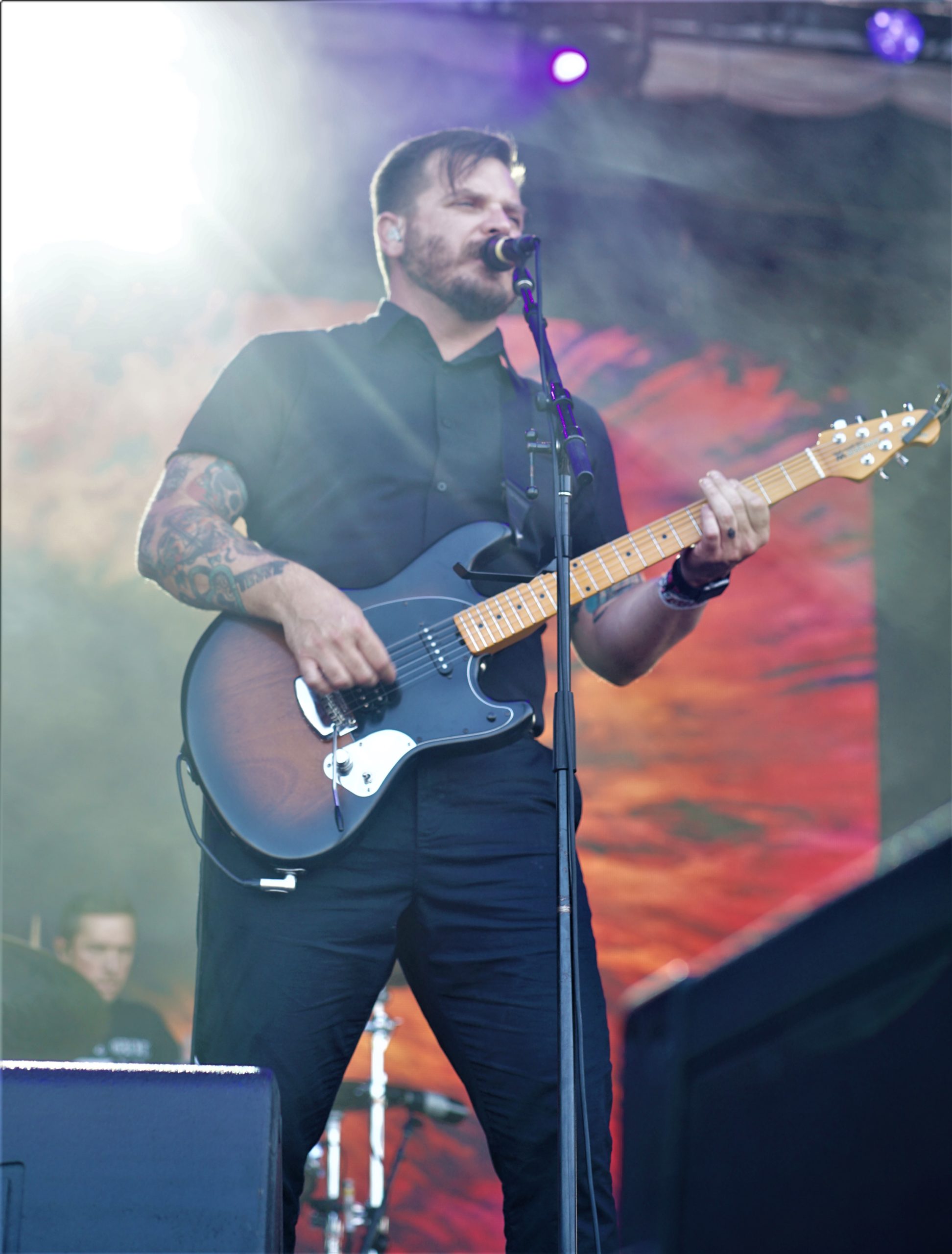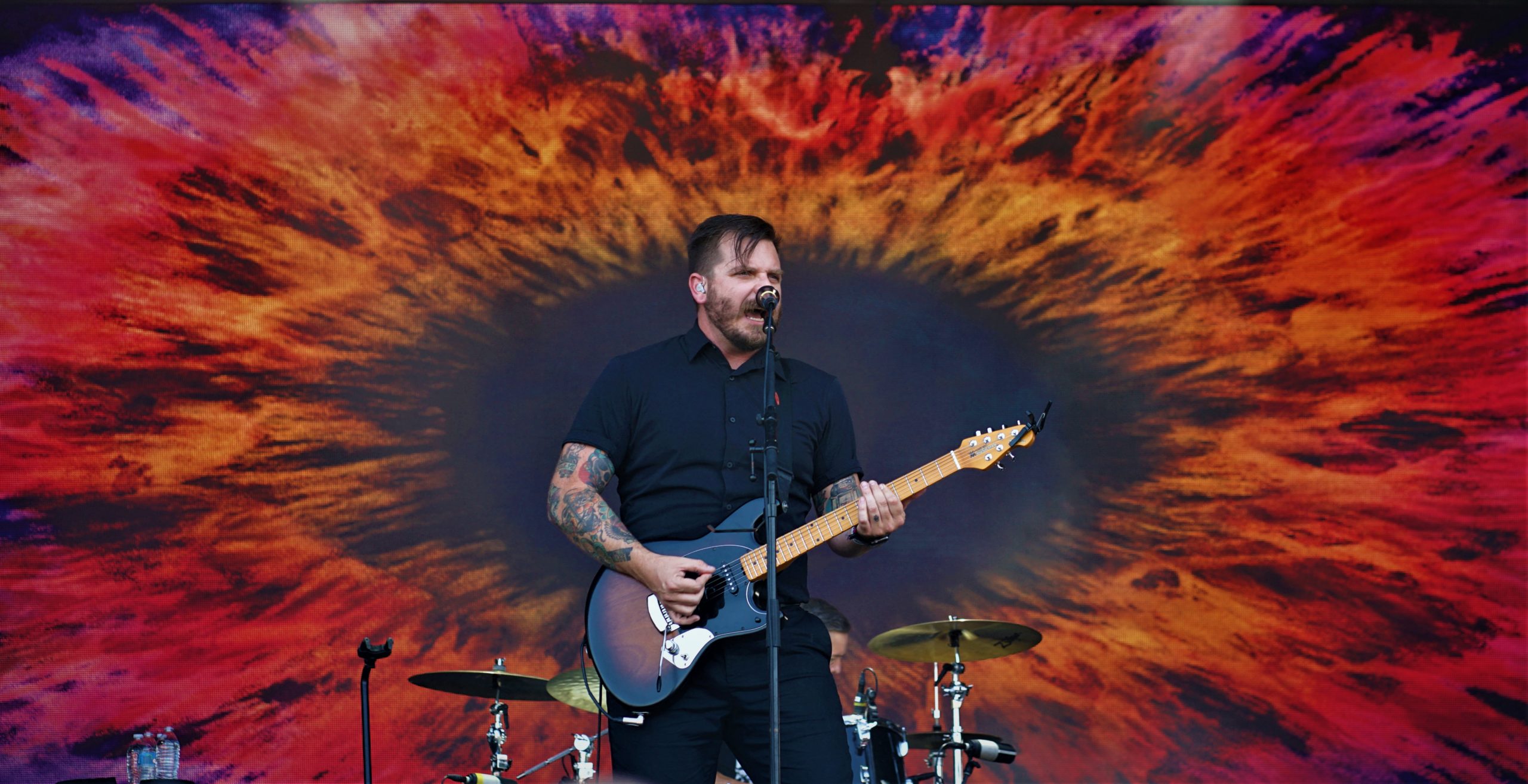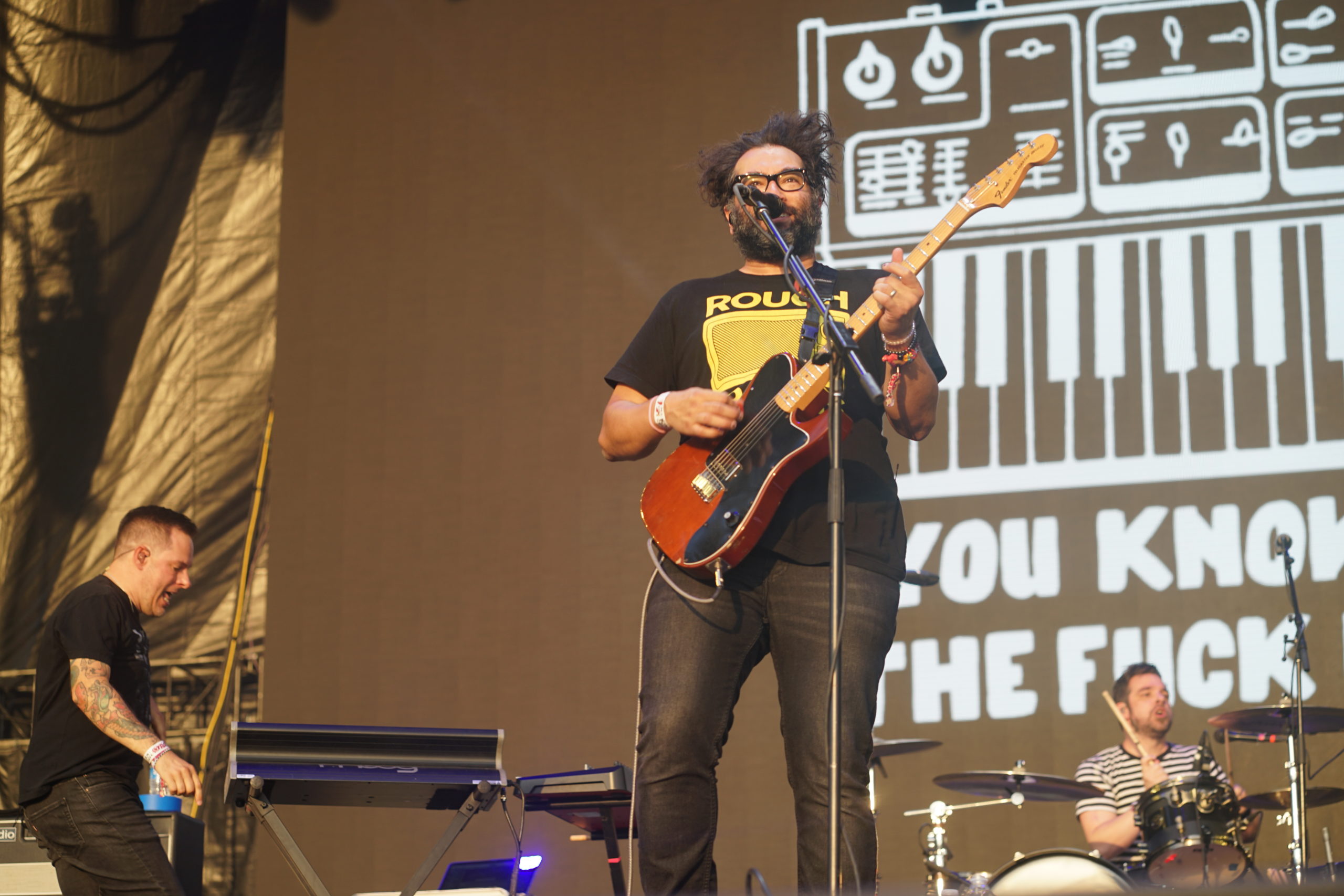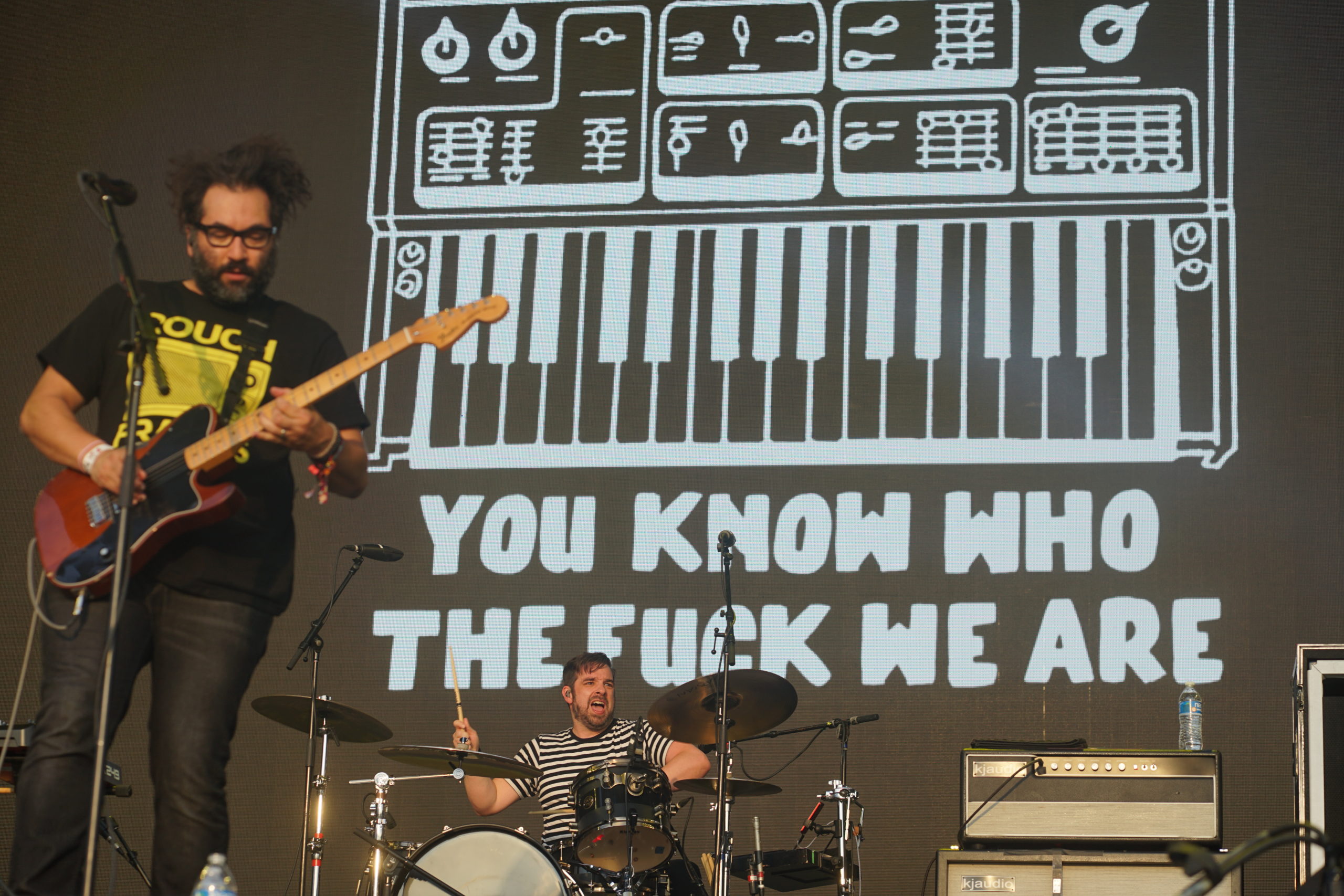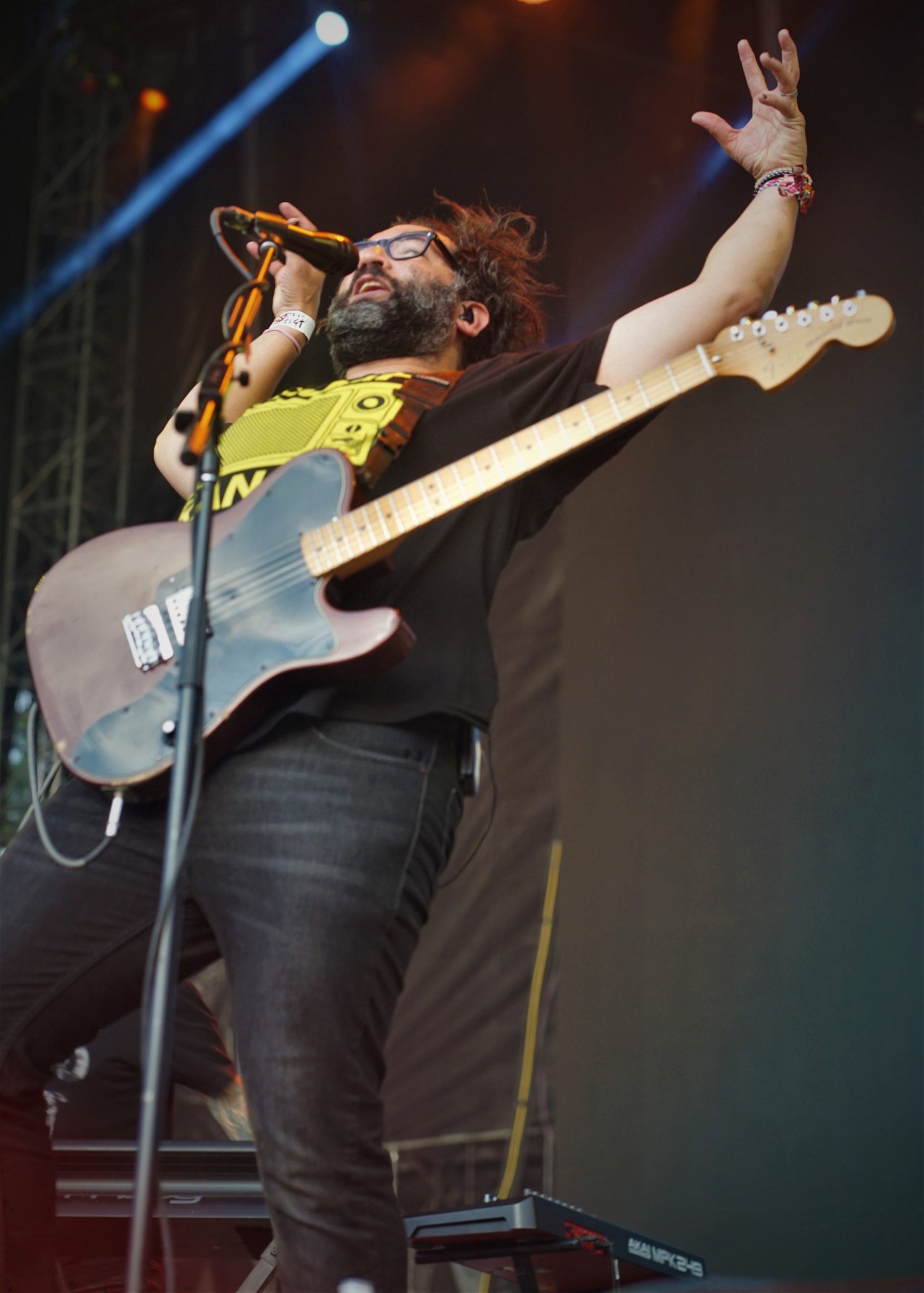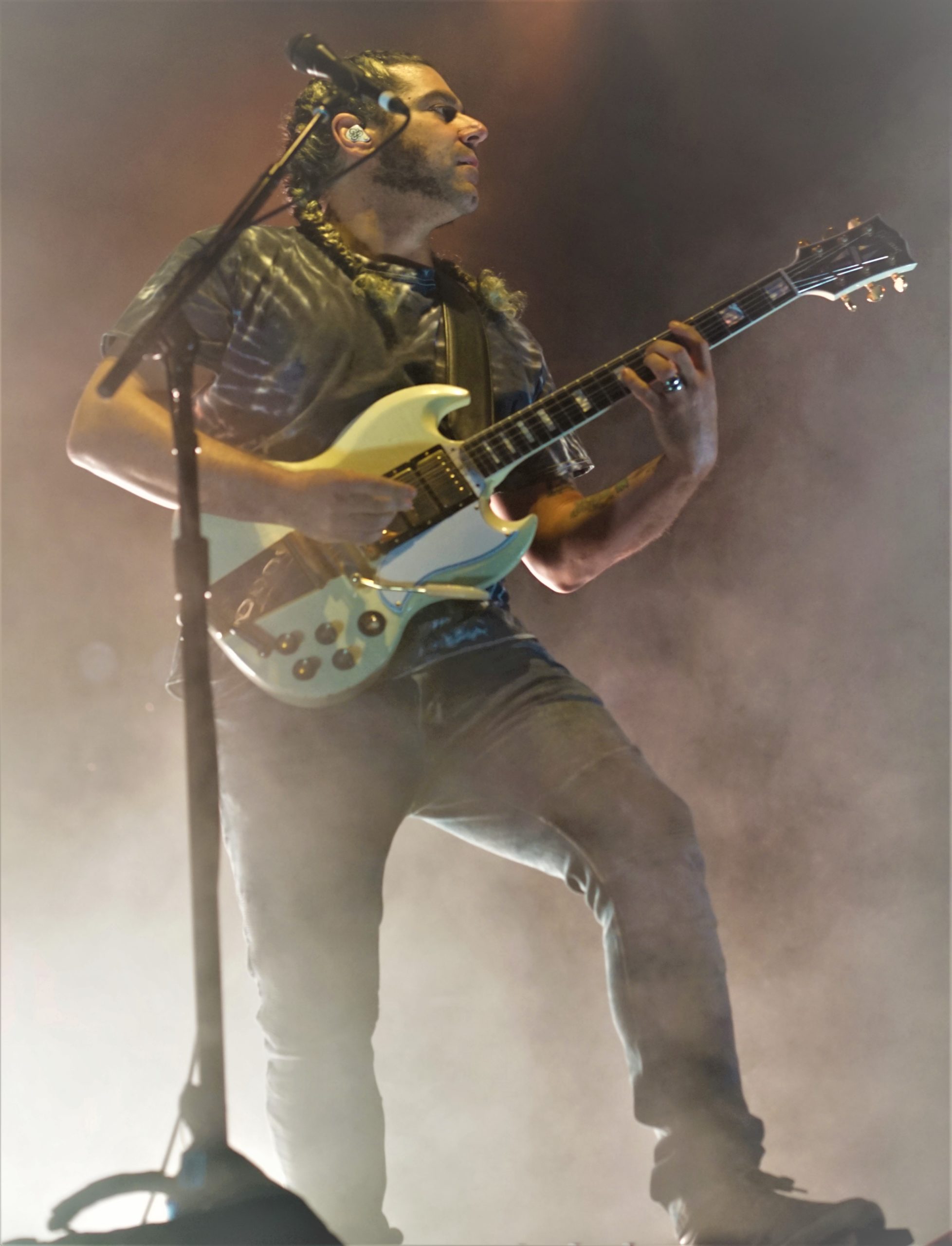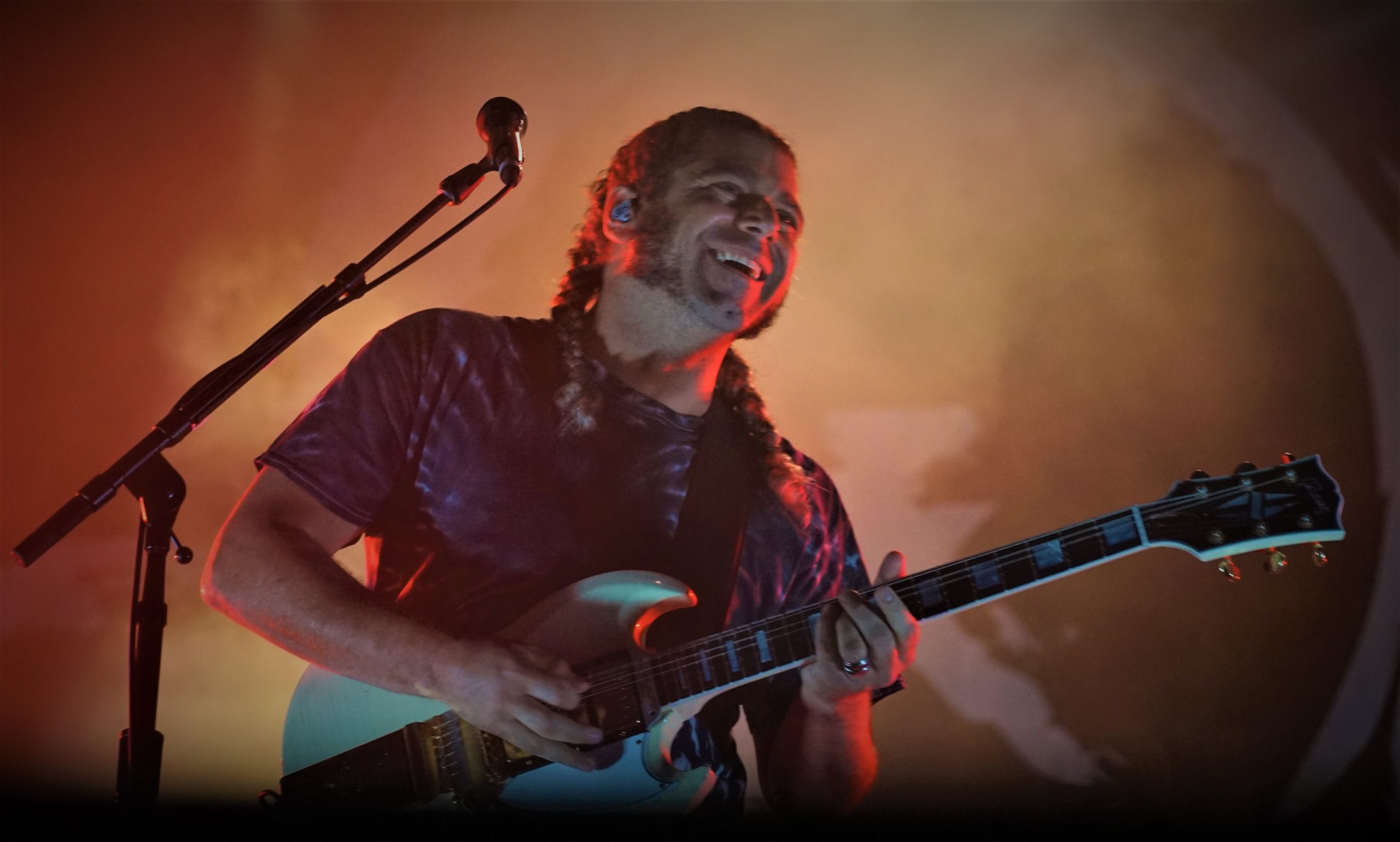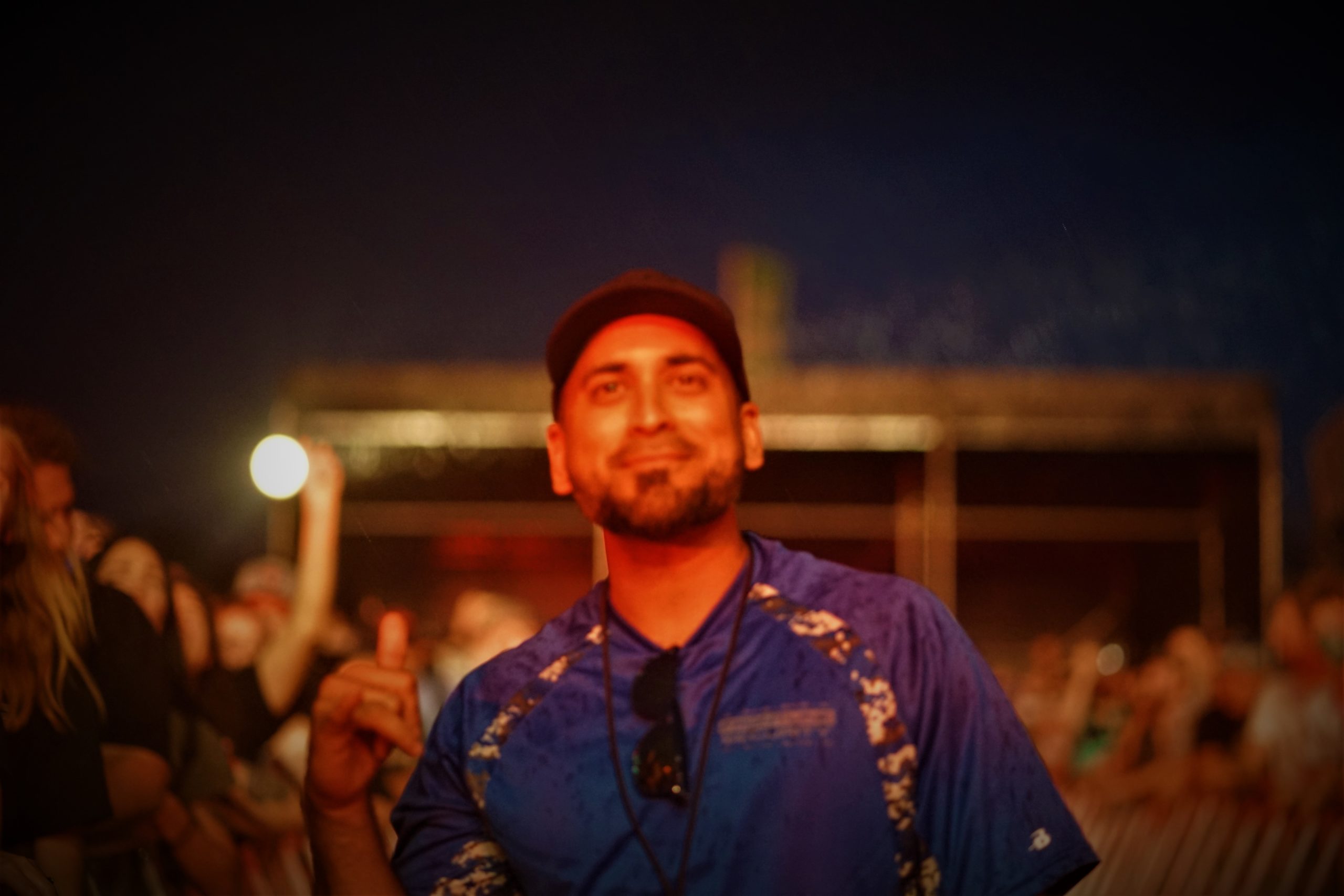
If you’re a live music fan, I think you can agree that it’s been the longest 18 months EVER! Here at Baller ATX, we are SO READY to get back out there and enjoy what we love most… live music in Austin, TX! That’s right, y’all… we’re heading out to ACL Fest Weekend 2 to hear some amazing bands, eat some incredible food, and experience all the other fun stuff we have come to know and love from our favorite little hometown music festival!

Yes, there is way more than just live music and food at ACL. So many of their sponsors have some pretty sweet activations going on inside Zilker Park. Some to keep you cool, some to give away that coveted swag, and all of them help you make new friends along the way!

Let’s start with Tito’s “Party in the Shack” (Located just to the right of the Tito’s stage)

Show some love!
Festival goers can write a thank you postcard to a festival crewmember & hang it on the “Love, Tito’s” wall. For every card that is signed, Tito’s donates $5 to Crew Nation (up to $10,000) to support production crew who were out of work during the pandemic. (Tito’s has always been a generous company, and this is amazing!)

Play to win!
Stock up on Tito’s swag playing Plinko (Sunglasses! Bandanas! Koozies!) or test your hand-eye coordination at the infamous Tito’s claw machine (where you can win a pair of wristbands granting access to the exclusive, private Stillhouse Lounge backstage at the Tito’s tent!)

Get a souvenir for your dog you left at home!
Create a personalized dog tag at the Tito’s custom dog tag machine

Relax and recharge!
People can enjoy a taste of free WIFI and find a spot to relax in the chairs outside the “shack”, which is actually a tiny version of Mockingbird Distillery, where Tito’s was created! There is also a phone charging station and lawn games to play with friends.

Don’t forget to stick around and enjoy the shady Tito’s tent where you can catch some amazing artists like one of my new faves, Claud, who is playing at 1:45pm on Friday!

It’s Miller Time!

Head over and enjoy Miller Lite’s new Miller Time Social space near the ACL Fest Photo Frame! This is THE spot to connect with your friends, enjoy a Miller Lite (21+ only please), cool off with their fan walls, and recharge yourself and your phone!

And don’t forget about the incredible artists playing the Miller Lite stage over by the Lady Bird Lake entrance to the festival. Check out the incomparable Erykah Badu at 7pm on Friday, or local faves Nane at noon on Sunday.

Party with T-Mobile at “Club Magenta”

Chill out and charge up at the ultimate FREE backstage experience located behind the T-Mobile Stage (entrance is to the right of the stage). Gain instant access if you’re a current T-Mobile customer, or snap and share a selfie to score entry. When you get inside, you’ll find charging stations, upgraded (A/C!) restrooms, a private (cash) bar, and a chance to score epic prizes thanks to T-Mobile. You’ll also find a water refill station, a giant misting fan, and seats in a shady space where you can watch the bands appearing on the T-Mobile and Lady Bird Lake stages on a huge screen. That private bar will certainly come in handy when the bar lines around the park are 50 people deep!

…and more!

Be sure to check out the Bumble Hive to charge your phone and snag some swag, or the Honda Trading Post (across from the Honda stage) to recharge with friends and get a free tattoo! So many of the activations this year are not only giving away free stuff, but are providing phone charging, a space to relax a bit in the shade, and lots of “meetup” spots to gather with those friends who tend to get lost in the crowd. Hey, you paid a lot for those wristbands, so take advantage of everything ACL (and its sponsors) have to offer! Happy fest-ing everyone!

If you had only one day to attend Riot Fest 2021, would you go? I sure did and it was one of the best days I’ve had in a long time. Having a day job and getting very little notice of my approval for a press pass meant I would only have one day (Friday) to attend. Thankfully three of my favorite bands were playing one after the other with no conflicts on that day. Motion City Soundtrack, Coheed and Cambria, and The Smashing Pumpkins: the bands that made up most of my high school playlists circa 2004. I couldn’t ask for a better lineup for my first event coming out of the pandemic. Riot Fest really brought the heat on this one.


COVID precautions also took center stage, with vaccine cards or negative results being a prerequisite to gain entry. I felt better about attending and being in such a large crowd with those guidelines in place. Riot Fest also went one step further and even had a rapid test station on-site (for $50), as well as a local hospital administering free COVID vaccines for those who wanted one. For us photographers, we had to wear a mask in the pit and in our press area when not eating or drinking. It wasn’t that big of a deal to me and I am glad they were thinking of everyone’s safety.


It’s been two years since my last festival, Intersect, and it was great to be back again. The lines to get in seemed to move quickly, the VIP line even faster. This being my first Riot Fest, I was impressed by the sheer size of it. However, trying to get from one stage to another can get tiring, and I’m not sure if I could have done all 3 days. I definitely got all my steps in for the week! The food vendors were great, most of which consisted of carnival-themed food, which I love, and the VIP area had an even better selection. I will admit being able to use VIP bathrooms was great. Upgraded (cleaner) bathrooms are where it’s at.


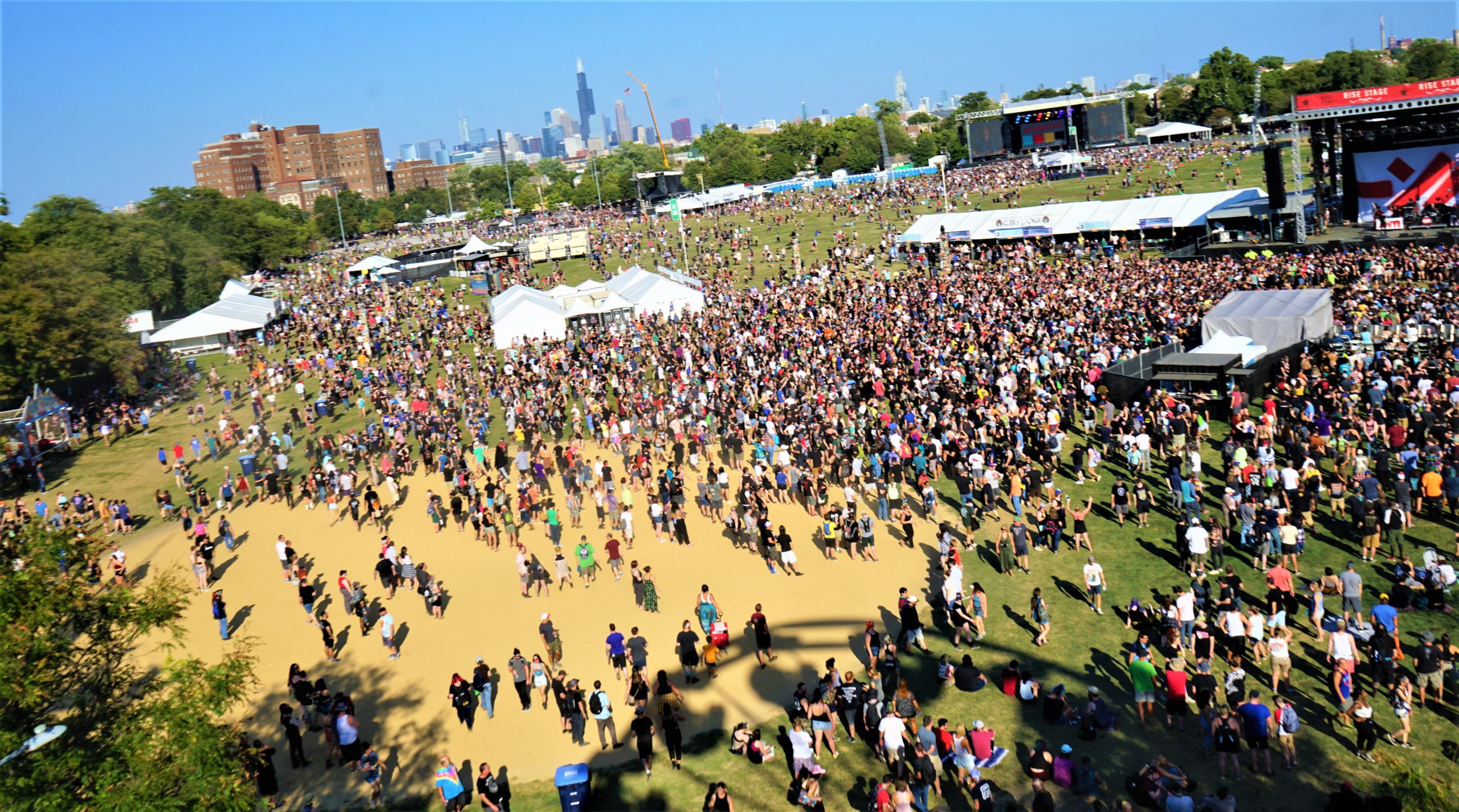
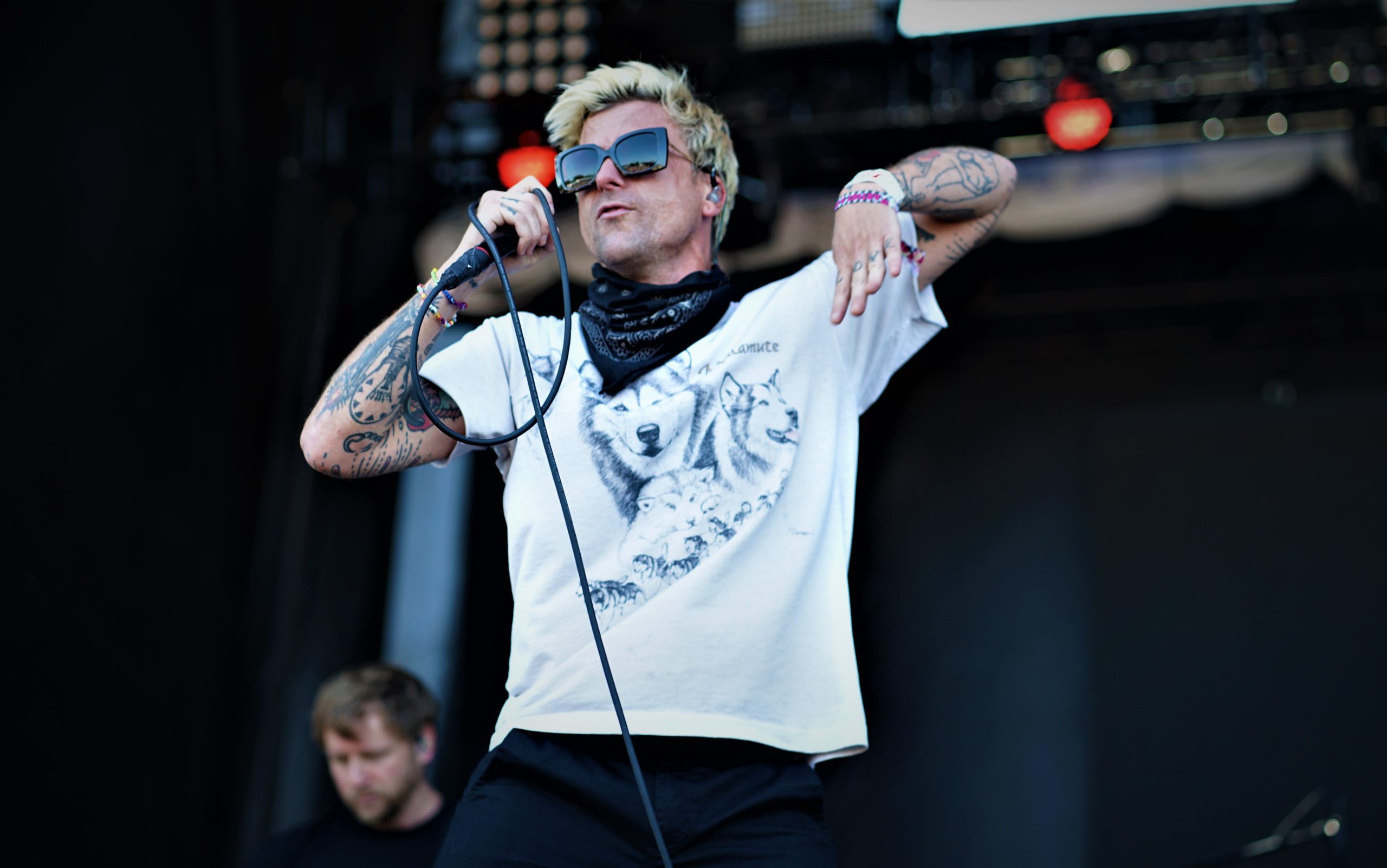
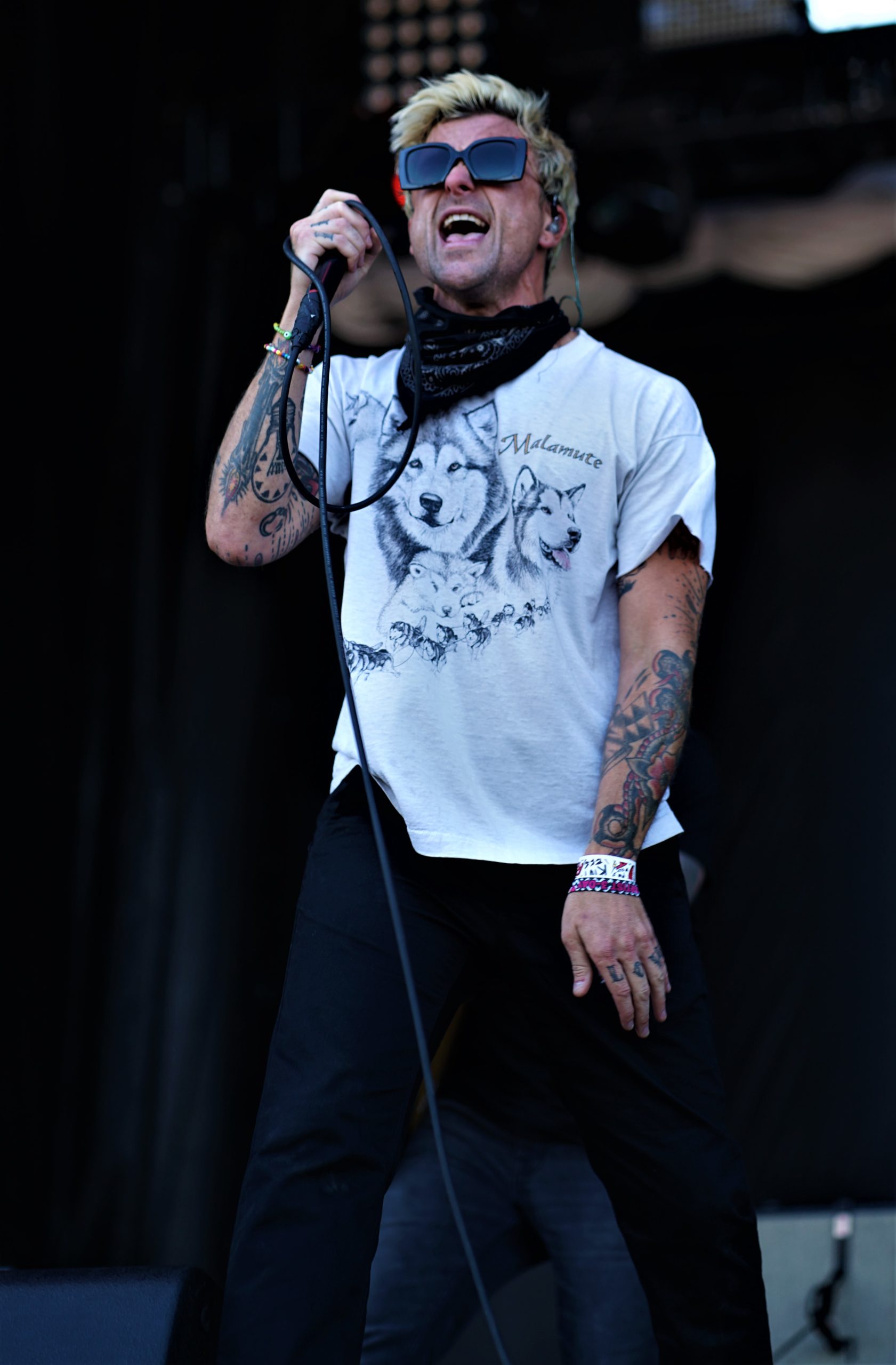
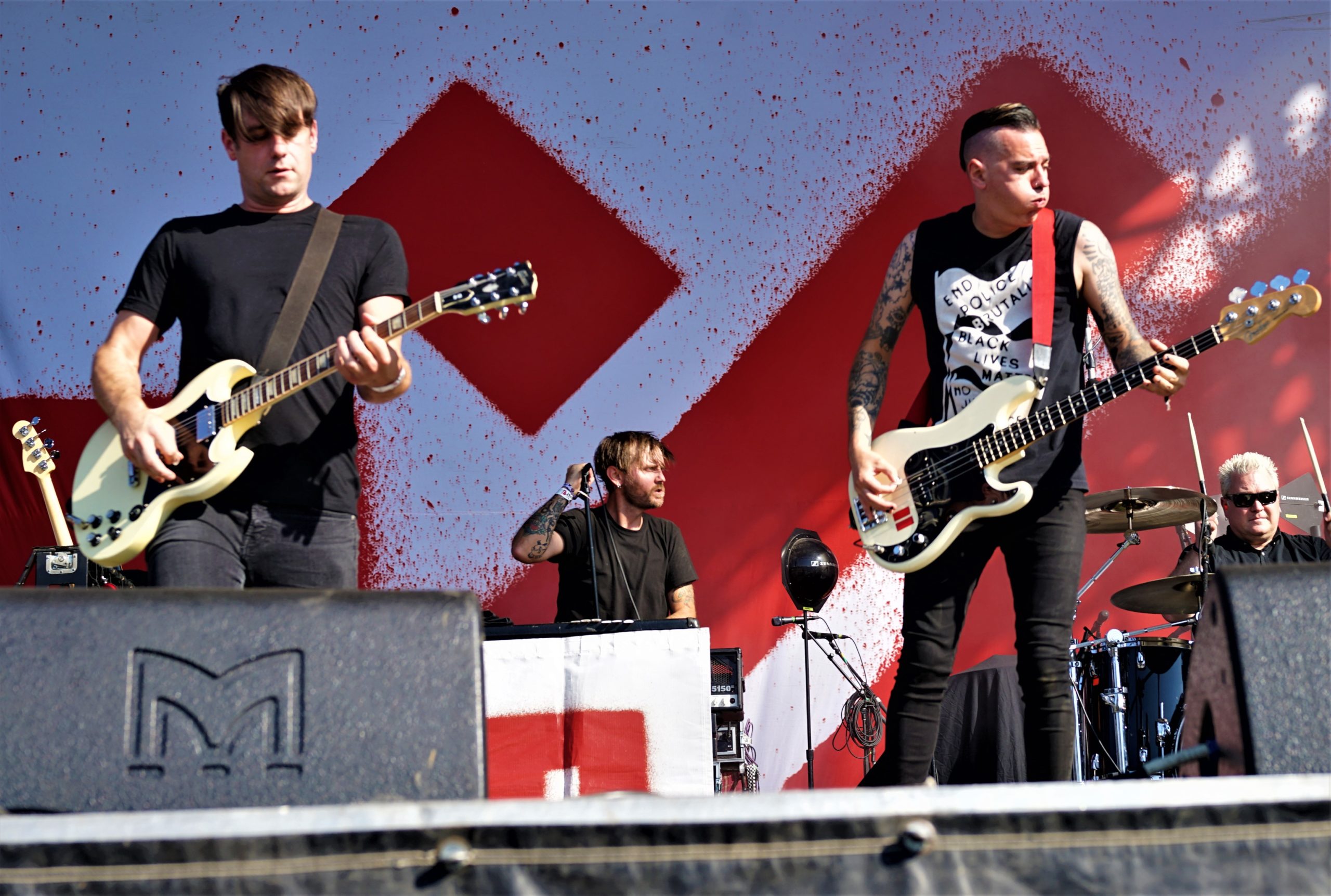
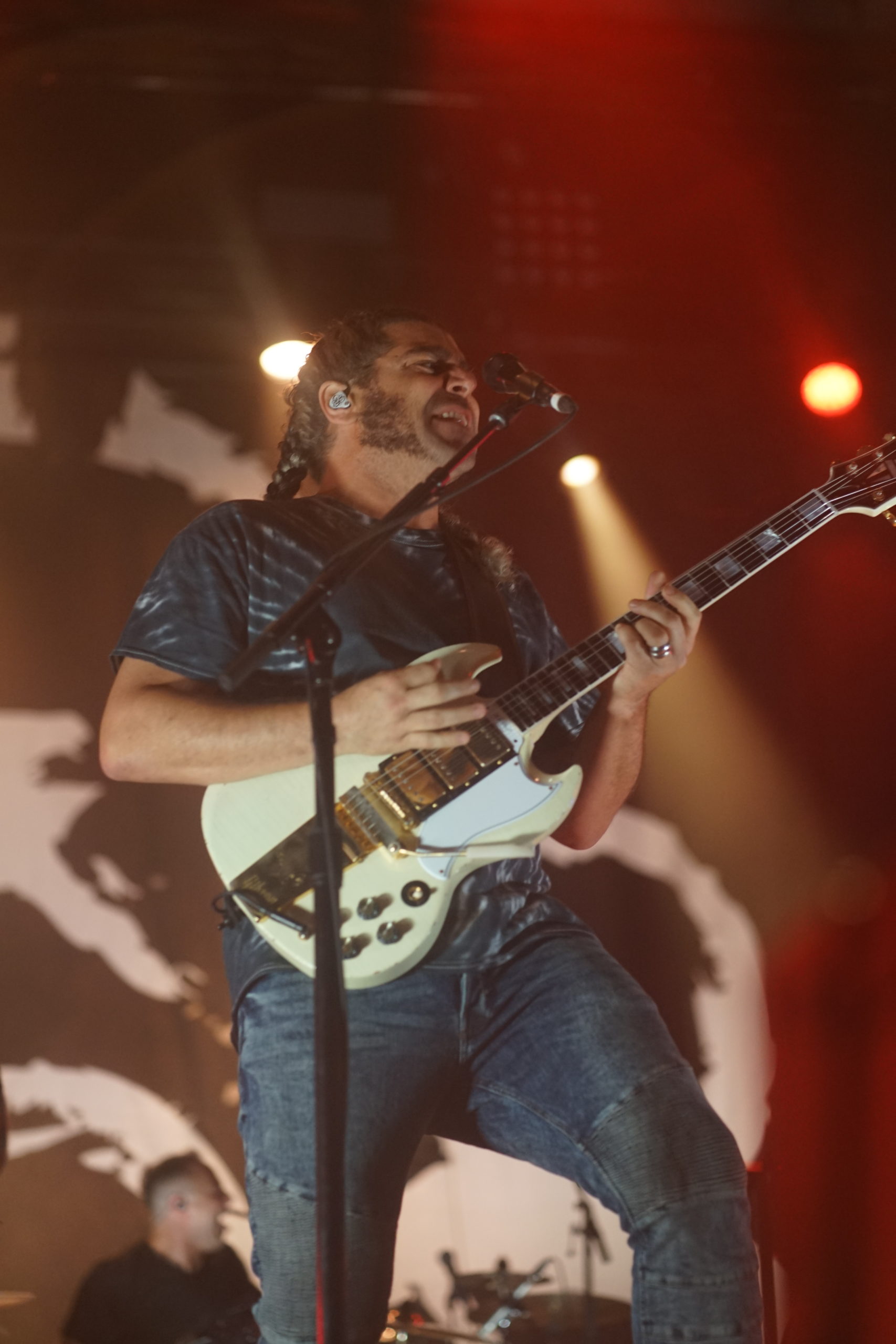
I started my day with Circa Survive, not a band I really listened to but still a pretty great show. Anthony Green was very energetic and it made for some great photos. After that, I went to see Anti-Flag, where I got to see some excellent moshing after we left the pit. I went to the ferris wheel during the remainder of their set where I got to witness one of the largest circle pits (seen in the cover photo of this post). Soon after, it was time for a band I’ve been into since I saw them at my first concert ever (Warped Tour 2004)… Motion City Soundtrack. Seeing them took me all the way back to high school, and they still had the same classic sound and energy as if they hadn’t aged a day. I took some of my best shots of audience members after crowd surfing; some of the happiest faces I’ve seen in such a long time.


Next up was a band just as close to my heart, Coheed and Cambria. While we were standing outside the pit, there were so many of us photographers who were split into two groups having 7 minutes each, and I thought to myself… what, so 1 song? And of course, the first song they played was In Keeping Secrets of Silent Earth: 3, but damn what a song to open with, and to be that close! I found myself getting lost listening and headbanging with the crowd. Who can’t resist shouting “MAN YOUR OWN JACKHAMMER!!!”?


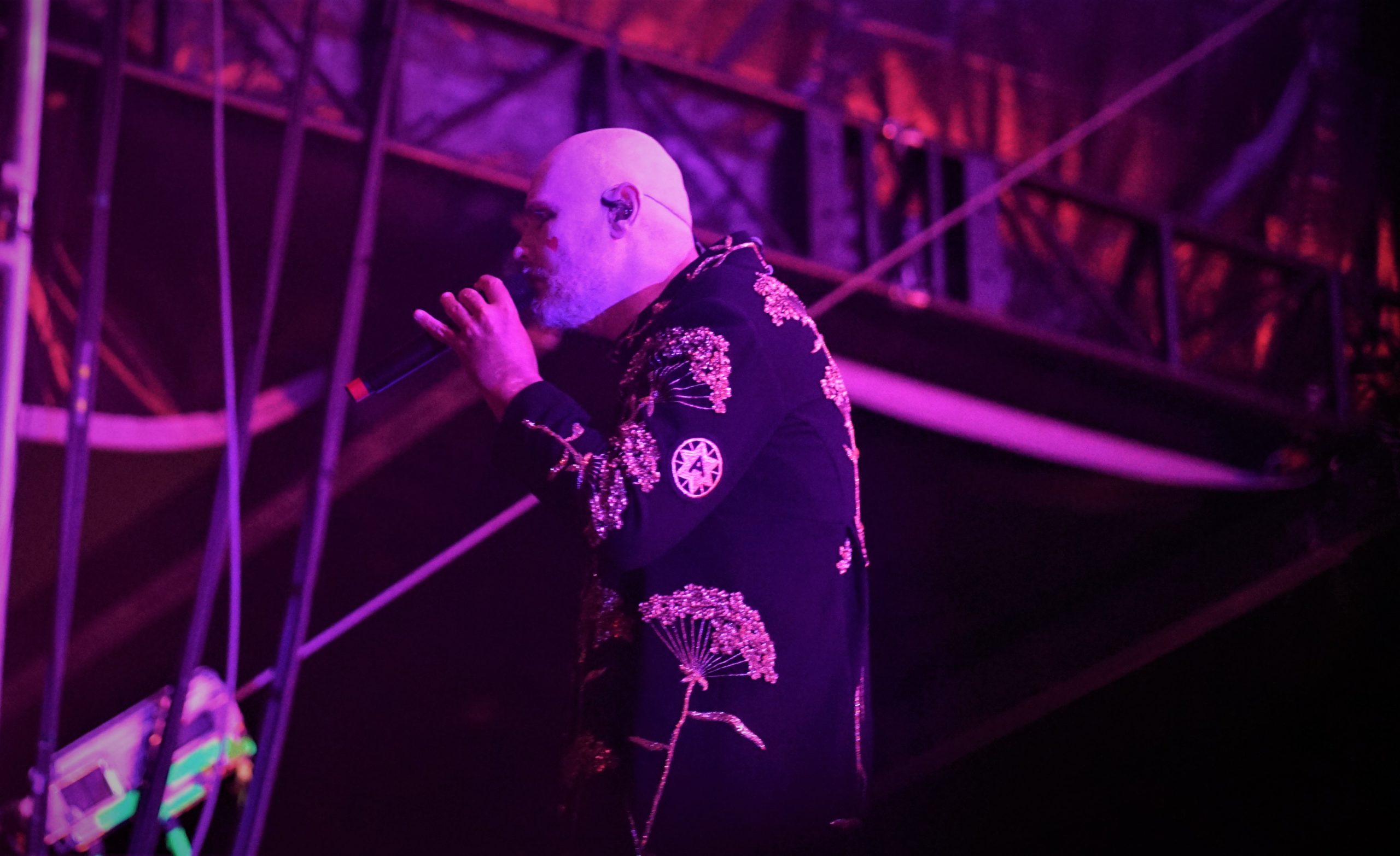
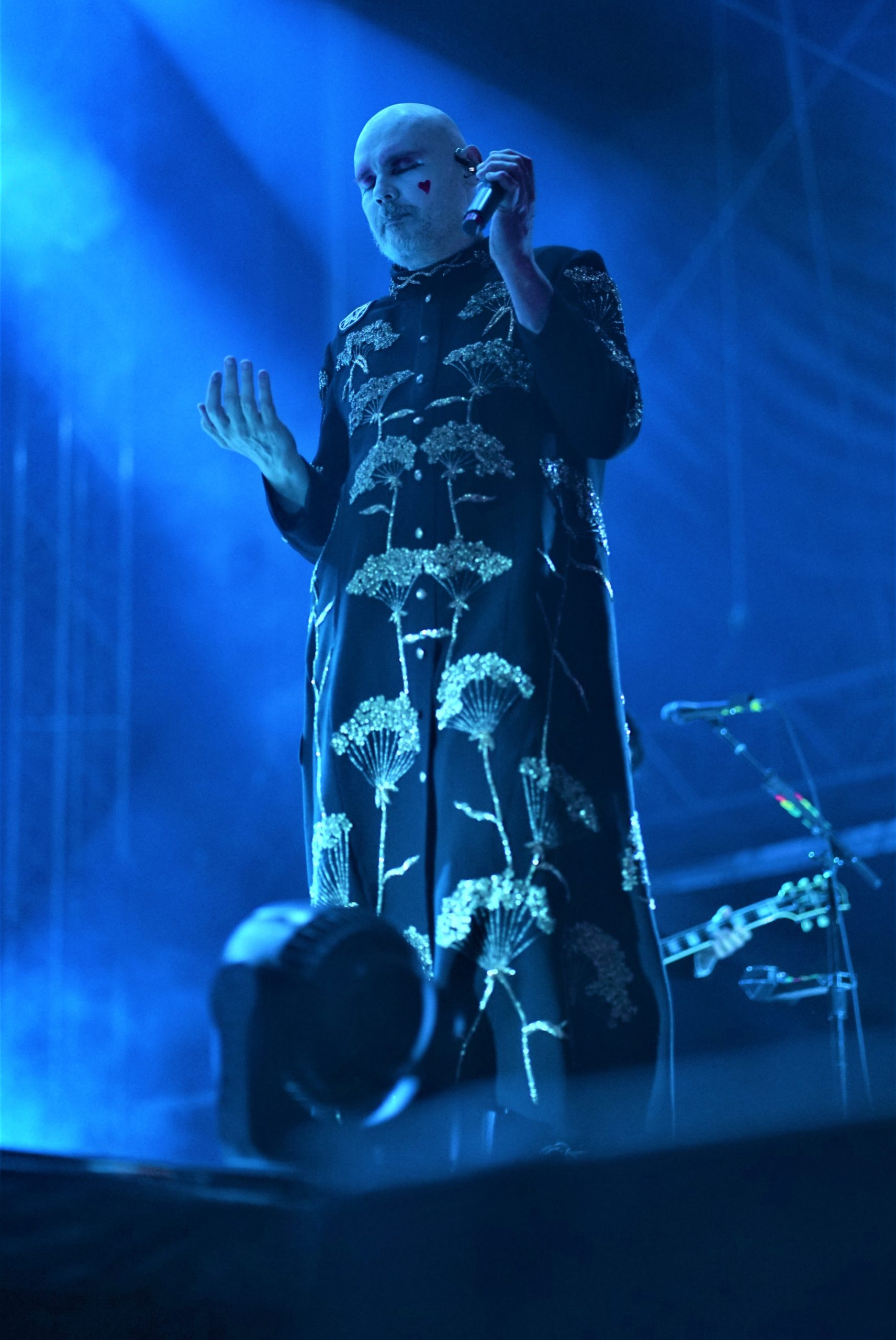
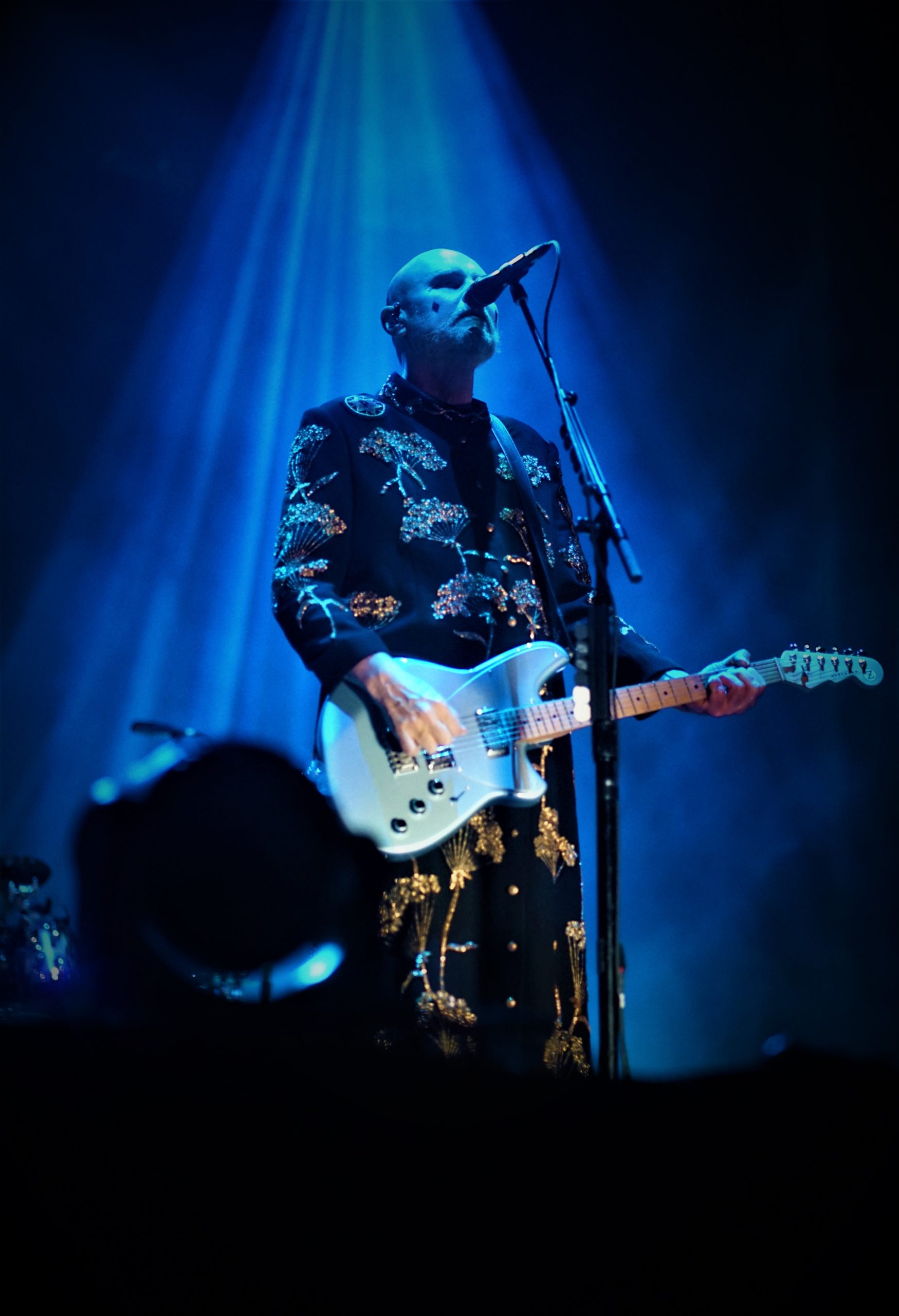
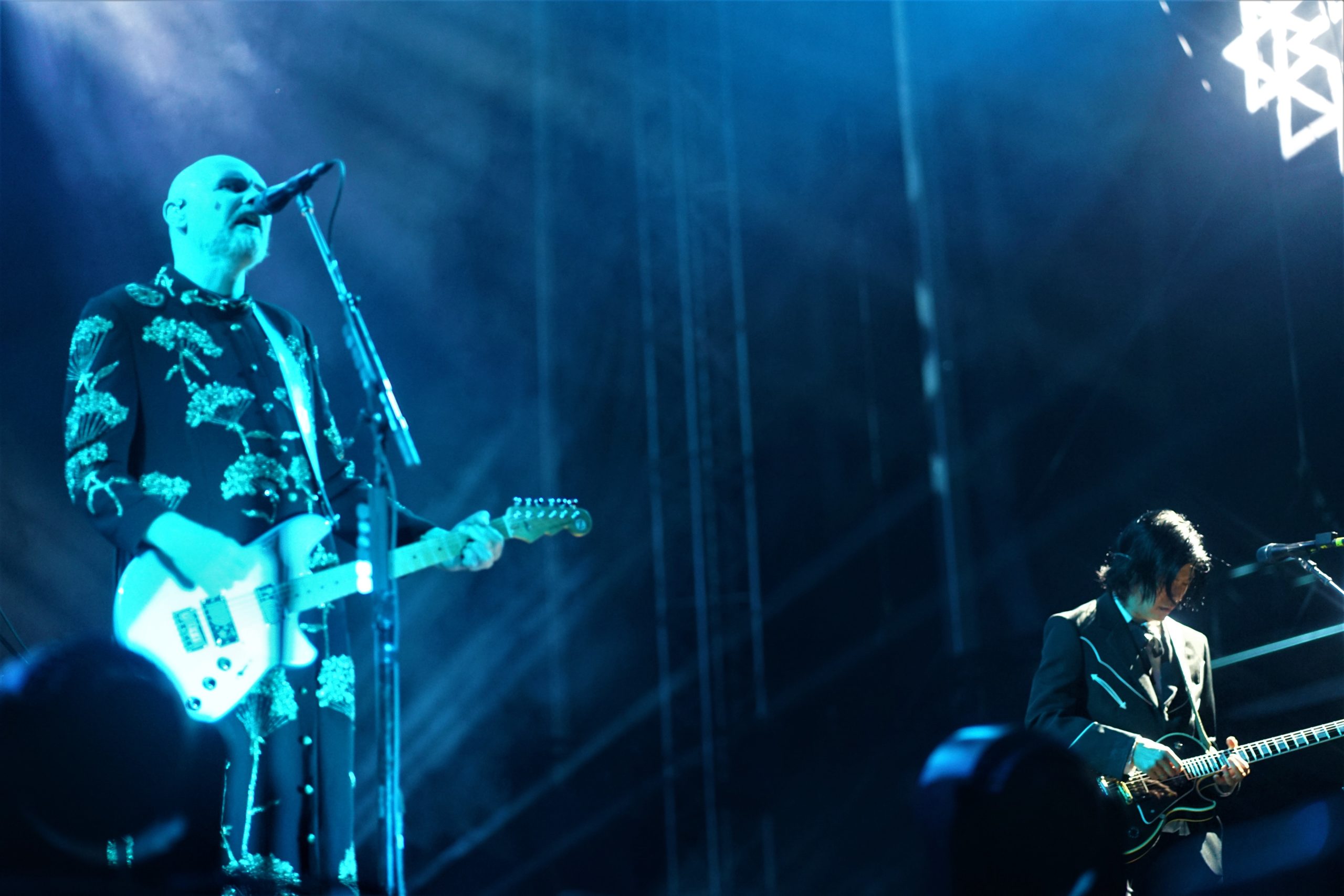
I couldn’t have picked a better way to end my night and the whole reason why I would make such a journey for one day of the fest… The Smashing Pumpkins! I was born in ‘87 so I wasn’t quite old enough to see them in the beginning. It wasn’t until they released Zeitgeist and went back out on tour that I finally got to see them live. I had fond memories of watching MTV (when it played videos) waiting for Tonight, Tonight, or 1979 to air. Billy Corgan still has those pipes. They played pretty much all classics and some new songs from CYR. However my favorites had to be EYE with Meg Myers stepping in, and then Shame, two rarities I haven’t heard live before. It even rained and it only added to the magic of the night.


Trying to leave Riot Fest was madness that took hours, albeit through no fault of the festival. So many people using the same rideshare app made for long delays and surging prices. Also, downtown was mostly shut down due to celebrations of Dieciseis de Septiembre (Mexican Independence Day), another wild sight to see. All in all, it was a great day and an amazing festival. I would like to thank the staff at Riot Fest and congratulate them for pulling this off during the most difficult times for live music in our lifetime.

Photos by Terry Flemings

Austin entered August 2021 with the feeling that the worst of the pandemic might finally be behind it. Restaurants were busy, bars were reopening more fully, live music was returning and Austinites were once again filling patios and making plans for nights out. After a year and a half of cancellations and restrictions, the summer had begun to resemble the Austin people remembered. Then the Delta variant arrived with a force that changed the mood almost overnight.

By the first week of August, Austin and Travis County had moved back into Stage 5 of the local COVID-19 risk guidelines as cases and hospitalizations surged. On August 7 and 8, the city activated its emergency alert system to warn residents about the rapidly worsening situation and the strain being placed on local hospitals. The fact that Austin used an emergency alert system normally associated with disasters demonstrated just how serious the situation had become.

For Austin’s bar and restaurant scene, the timing was brutal. Businesses had spent the spring and early summer rebuilding their operations around the assumption that the return of customers would continue. Restaurants were reopening dining rooms, bars were getting busy again and music venues were bringing performers back. Many owners had spent months waiting for exactly this moment. Suddenly, they were being forced to reconsider how much normal activity they could safely handle.

The result was one of the strangest months in Austin’s recent nightlife history. The city was technically open, but the atmosphere around going out had changed. Restaurants and bars were voluntarily reinstating policies that had disappeared only weeks earlier. Some required masks. Others reduced capacity. Some kept indoor dining closed. Several music venues and bars began encouraging customers to wear masks or changed their operating procedures in response to the surge. Eater Austin documented a long list of local businesses that reinstated pandemic precautions during August, including Hotel Vegas, Volstead, Justine’s, Kinda Tropical, Salt & Time, Fresa’s and numerous coffee shops and restaurants.

That was a remarkable reversal.

Only a few months earlier, Austin’s hospitality industry had been desperate to get people back through the doors. By August, some of those same businesses were voluntarily telling customers to slow down.

The conflict was especially visible in Austin’s music scene. Live music had finally started returning after being devastated by the pandemic, and musicians, venues and fans were eager to reclaim the experience that had made Austin famous. But the Delta surge created new uncertainty for touring artists and local performers. Across the live-music industry, tours were being reconsidered, venues were adding vaccination or testing requirements and outdoor performances were increasingly viewed as safer alternatives. The national touring industry was experiencing exactly the same tension Austin was facing: everyone wanted live music back, but nobody knew how long the reopening could safely continue.

For Austin, that meant the city’s famous nightlife identity was suddenly caught between two realities. The old Austin wanted packed clubs, crowded dance floors and late nights on East Sixth Street. The pandemic-era Austin had learned that those environments could become difficult to manage during a major COVID surge. Businesses had to make decisions that weren’t simply about money anymore. They were decisions about whether they could continue operating in a way that protected employees and customers while still keeping the doors open.

And then there was Austin Pride.

August was supposed to be the month when the city’s LGBTQ+ community finally got its major public celebration back. Austin Pride had originally postponed its 2020 celebration to August 2021 because organizers hoped the additional year would make a large festival and parade possible. The organization had described the postponement as a decision based on the health and safety of the community.

As August approached, however, the Delta surge created a new crisis.

The Pride celebration was no longer simply a question of whether Austin could hold a large event. It became a question of whether it was responsible to bring thousands of people together while hospitals were under increasing pressure. The uncertainty surrounding the event became a major part of Austin’s August conversation, with residents debating whether the parade should proceed while the city’s COVID situation deteriorated. Contemporary local discussion shows that organizers and participants were still trying to determine what would happen as late as the first week of August.

That uncertainty captured the mood of the entire city.

Austin had spent months planning a return to normal.

Now normal was changing again.

At the same time, however, the food scene continued moving forward. New restaurants weren’t suddenly disappearing from the calendar. In fact, August remained an active month for restaurant openings and announcements.

One of the most visible openings was Favorite Pizza, the new downtown late-night pizza concept from McGuire Moorman Lambert Hospitality. The restaurant opened in early August serving slices, whole pies, subs and frozen cocktails, bringing another late-night food option to downtown Austin.

That was particularly appropriate for the moment.

Austin had always had a special relationship with late-night food. Bars and music venues created demand for something to eat after midnight, and pizza was practically designed for that role. Favorite Pizza’s arrival therefore fit naturally into the downtown ecosystem just as nightlife was trying to recover.

But even that opening carried the strange tension of August 2021.

The restaurant industry was expanding while simultaneously preparing for another possible slowdown.

Businesses were opening new concepts while adding masks and safety protocols.

Customers were returning while wondering whether they should be going out.

Musicians were booking shows while worrying about whether those shows would happen.

Austin was moving forward and backward at the same time.

The month’s restaurant news also showed that entrepreneurs were still betting heavily on Austin’s future. Fareground, the city’s downtown food hall, was preparing to reopen with new concepts, including restaurants associated with Austin favorites such as Wu Chow and Austin Rotisserie.

Wanderlust Wine Company was also preparing a major Govalle location featuring an enormous number of self-service wine taps, another example of the continued investment in Austin’s bar and beverage culture.

And on South Congress, the highly anticipated Salty Donut was preparing for its Austin debut, bringing the Miami-born doughnut company to one of the city’s most recognizable food and shopping corridors.

Those developments mattered because they showed that Austin’s food scene had not lost its momentum.

The pandemic had changed how restaurants operated, but it hadn’t destroyed the city’s appetite for new food experiences.

People still wanted to discover restaurants.

They still wanted cocktails.

They still wanted late-night pizza.

They still wanted wine bars.

They still wanted doughnuts.

And entrepreneurs still believed Austin was a place where those businesses could succeed.

The problem was that nobody knew exactly what the next few months would look like.

That uncertainty became the defining characteristic of August.

The city’s hospitality industry was caught in a difficult position. If businesses closed or drastically reduced operations, they risked losing the customers they had spent months trying to win back. If they operated normally, they risked exposing employees and customers during a period when local hospitals were struggling.

There was no easy answer.

Individual businesses therefore began making their own decisions.

Some required masks.

Some limited indoor seating.

Some returned to takeout.

Some kept patios as their primary dining option.

Some changed policies several times as the situation evolved.

The result was a patchwork of Austin nightlife.

One bar might feel almost completely normal.

Another might have a mask requirement at the door.

A restaurant might have its dining room open.

Another might be patio-only.

A music venue might require proof of vaccination or testing.

The city’s nightlife scene no longer had one universal experience.

Every business was figuring out its own version of the new normal.

For customers, that meant checking social media and restaurant websites before going out became routine again.

The carefree summer that had seemed to be arriving in June and July suddenly required planning.

But August wasn’t simply a story about COVID.

It was also a story about Austin refusing to stop.

Restaurants kept opening.

Musicians kept performing.

Bars kept experimenting.

Food halls kept developing.

Businesses kept hiring.

And people kept going out.

That resilience was one of the most important characteristics of Austin’s summer.

The city had already survived the cancellation of SXSW, a year of pandemic restrictions and the February winter storm. Now it was facing another COVID surge.

Yet the creative economy continued moving.

The food scene continued evolving.

The music community continued finding ways to perform.

The bar scene continued adapting.

Austin wasn’t willing to completely shut down its personality again.

Instead, it tried to find a compromise.

Outdoor music.

Patios.

Smaller gatherings.

Masks.

Vaccinations.

Testing.

Takeout.

Flexible policies.

The goal was no longer simply to return to the Austin of 2019.

It was to create an Austin that could function during an unpredictable pandemic.

That was what made August 2021 such a fascinating month in the city’s history.

It was the month when the comeback met reality.

Austin had proven that its restaurants, bars and music scene could survive the first year of COVID-19.

Now they had to prove that they could survive the next phase.

The Delta variant didn’t erase the comeback.

But it changed the terms.

The city had learned how to reopen.

Now it had to learn how to stay open.

And as August came to a close, Austin’s food, music and nightlife communities were once again waiting to see what September would bring.

After more than a year of COVID restrictions, closures and uncertainty, the city’s restaurant scene finally looked like it was moving forward.

New restaurants were opening.

Patios were filling.

People were going out.

And Austin’s food industry was starting to look toward the future instead of simply trying to survive the week.

The recovery wasn’t perfect.

Many restaurants were still dealing with staffing problems, increased costs and pandemic-related restrictions.

But the direction had changed.

For the first time in a long time, the big question wasn’t simply, “Will this restaurant survive?”

It was becoming:

“What’s opening next?”

That shift mattered.

Austin has always attracted ambitious chefs and restaurant entrepreneurs.

The pandemic temporarily put many projects on hold.

By spring 2021, some of those projects were moving forward again.

The restaurant industry was also taking advantage of everything it had learned during the pandemic.

Outdoor seating remained important.

Online ordering remained important.

Takeout remained important.

Restaurants had discovered that customers liked flexibility.

They didn’t necessarily need the old model back exactly as it was.

They wanted choices.

That was especially true in Austin.

The city had always been comfortable with unconventional dining.

Food trucks.

Pop-ups.

Patio restaurants.

Beer gardens.

Drive-through concepts.

Ghost kitchens.

The pandemic accelerated that creativity.

By May, Austin’s food scene was becoming a mixture of old and new.

Some longtime restaurants were returning to normal.

New concepts were launching with pandemic-era lessons built into their business plans.

And customers were ready.

People had spent months eating at home.

They were ready for tacos with friends.

They were ready for burgers.

They were ready for margaritas.

They were ready to sit on patios and complain about the heat.

In other words, they were ready to be Austin again.

The restaurant comeback wasn’t finished.

There would be more closures.

More openings.

More changes.

But May 2021 was when the recovery started to feel real.

Austin’s food scene had survived one of the most difficult periods in its history.

Now it was ready to start having fun again.

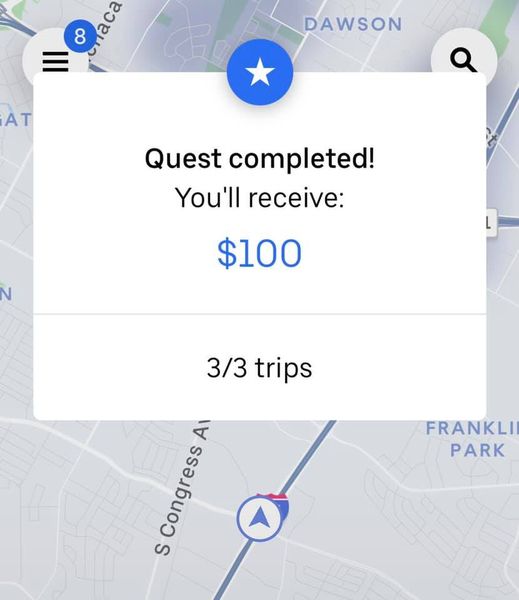
Those looking for extra summer money, I did only 3 trips today on Uber as a driver in 30 mins and made $100 extra. They are in need of drivers in Austin! Other have told me once they are signed up using links below they are seeing the $100 promo as well!


From (cut/paste) Uber promos (new drivers promo first, then below that one existing drivers who haven’t taken a trip since March 20, 2021


New drivers: I just invited you to drive with Uber. Sign up and earn $1,180, guaranteed, after completing your first 100 trips. See how. https://partners.uber.com/i/u5q5msa2j

Existing drivers link who havnt taken a trip since 3/20/21: Hi, I’ve been driving and earnings on Uber are high! Median earnings in Austin are $33/hour*.
Make at least $1,575 guaranteed by taking 115 trips with my referral link**. Go to http://hero.uber.com/2ft?p=769zq to accept my invite.
And in case you didn’t know – Uber has introduced new policies and features to help keep everyone safe, including a mandatory mask policy and free disinfectant supplies for drivers.
*Stated trip earnings of $33/hour are based on median earnings of drivers in Austin from 3/29/2021 to 4/12/2021 date who drove approximately 20 hours per week. Actual earnings vary, depending on factors like number of trips provided, time of day, and location. Earnings include trip fares, some promotional offers (including Quest and Consecutive Trips), and tips, which are provided at the discretion of the rider. Median earnings in your specific location may be lower than the city figure. Since median is the middle, you may make more or less than the median amount.
**Your guaranteed amount and requirements may vary if you are signed up as a delivery person or driver, and if you drive in a different city from your referrer. See the referral link for offer details.

After more than a year of COVID restrictions, closures and uncertainty, the city’s restaurant scene finally looked like it was moving forward.

New restaurants were opening.

Patios were filling.

People were going out.

And Austin’s food industry was starting to look toward the future instead of simply trying to survive the week.

The recovery wasn’t perfect.

Many restaurants were still dealing with staffing problems, increased costs and pandemic-related restrictions.

But the direction had changed.

For the first time in a long time, the big question wasn’t simply, “Will this restaurant survive?”

It was becoming:

“What’s opening next?”

That shift mattered.

Austin has always attracted ambitious chefs and restaurant entrepreneurs.

The pandemic temporarily put many projects on hold.

By spring 2021, some of those projects were moving forward again.

The restaurant industry was also taking advantage of everything it had learned during the pandemic.

Outdoor seating remained important.

Online ordering remained important.

Takeout remained important.

Restaurants had discovered that customers liked flexibility.

They didn’t necessarily need the old model back exactly as it was.

They wanted choices.

That was especially true in Austin.

The city had always been comfortable with unconventional dining.

Food trucks.

Pop-ups.

Patio restaurants.

Beer gardens.

Drive-through concepts.

Ghost kitchens.

The pandemic accelerated that creativity.

By May, Austin’s food scene was becoming a mixture of old and new.

Some longtime restaurants were returning to normal.

New concepts were launching with pandemic-era lessons built into their business plans.

And customers were ready.

People had spent months eating at home.

They were ready for tacos with friends.

They were ready for burgers.

They were ready for margaritas.

They were ready to sit on patios and complain about the heat.

In other words, they were ready to be Austin again.

The restaurant comeback wasn’t finished.

There would be more closures.

More openings.

More changes.

But May 2021 was when the recovery started to feel real.

Austin’s food scene had survived one of the most difficult periods in its history.

Now it was ready to start having fun again.

By this month something was beginning to change.

It wasn’t completely back.

But Austin was starting to feel like Austin again.

Restaurants were reopening.

Patios were becoming busy.

People were spending more time outside.

And after more than a year of restrictions, there was finally a sense that the city might be moving toward something resembling normal.

The restaurant industry had spent the previous year learning how to survive.

Now it had to learn how to recover.

That meant hiring.

Rebuilding menus.

Bringing employees back.

Figuring out indoor capacity.

And preparing for customers who were suddenly much more interested in going out.

The changes created a strange situation.

Restaurants were desperate for business.

But many were also struggling with staffing and supply problems.

Some businesses had closed permanently.

Others had reduced their hours.

And some were operating with entirely different models than they had used before COVID.

The patio became one of Austin’s most valuable pieces of real estate.

Outdoor dining had existed long before the pandemic, but COVID turned patios into essential infrastructure.

Restaurants that could seat people outside suddenly had a major advantage.

Customers were also becoming more comfortable with takeout.

A year earlier, ordering restaurant food for pickup had felt like an occasional convenience.

By April 2021, it was routine.

Austin’s food culture had developed a new hybrid model.

Some people wanted to sit outside.

Some wanted to eat inside.

Others wanted to pick up dinner and go home.

Restaurants had to serve all three.

The city’s recovery wasn’t evenly distributed.

Businesses connected to tourism and nightlife were still dealing with major challenges.

But the signs of recovery were becoming impossible to miss.

Austin had made it through the worst months of the pandemic without losing its appetite.

And that appetite was coming back.

April was the month when many Austinites began thinking about summer.

Maybe there would be live music.

Maybe festivals would return.

Maybe restaurants would finally get busy again.

Maybe the city would once again feel crowded.

After everything that had happened, those possibilities felt exciting.

Austin wasn’t back yet.

But it was getting there.

SXSW, online version

Posted by Dominic M | SxSw

March in Austin normally means one thing:

SXSW.

For decades, South by Southwest had transformed Austin every spring.

Music venues filled.

Restaurants became packed.

Downtown sidewalks became crowded.

Brands took over buildings.

Musicians appeared on tiny stages.

Movie premieres brought celebrities.

And for roughly two weeks, Austin became the center of the entertainment world.

Balleratx.com biggest week every year is SxSw. we get more than a million unique vistors that hit up this website looking for free events.

Then COVID happened.

SXSW 2020 was canceled.

That cancellation became one of the defining moments of the early pandemic in Austin.

A year later, SXSW returned — but not in the way anybody expected.

SXSW 2021 was held primarily online.

Instead of thousands of visitors descending on Austin, attendees logged in from home.

The festival became a digital experience featuring music, film, technology, panels and other programming.

For Austin, it was surreal.

The city was accustomed to seeing SXSW physically everywhere.

Instead, March 2021 arrived without the usual crowds.

No massive lines downtown.

No endless streams of people walking between venues.

No packed bars.

No streets overflowing with festival attendees.

The economic impact was enormous.

Restaurants, bars, hotels, rideshare drivers, musicians, temporary workers and countless other businesses depend heavily on SXSW.

The festival doesn’t simply bring people to Austin.

It creates an ecosystem around those people.

When the crowds disappeared, so did much of the business.

But SXSW 2021 still represented something important.

It proved the festival could survive.

It also demonstrated how much the entertainment industry had changed.

Virtual concerts and online panels had become normal.

Artists could perform for audiences without traveling.

Conferences could bring together people from around the world without putting everyone into one convention center.

The question was whether virtual SXSW could ever replace the real thing.

For anyone who had experienced SXSW in Austin, the answer was probably obvious.

It couldn’t.

The magic of SXSW has always been connected to Austin itself.

The tacos.

The bars.

The weird venues.

The crowds.

The musicians playing unexpected shows.

The random celebrity sighting.

The feeling that something could happen on the next block.

You can’t completely recreate that online.

Still, SXSW 2021 was an important bridge.

It kept the festival alive during a year when holding the traditional event was impossible.

And it gave Austin something to look forward to.

The city would eventually welcome SXSW crowds again.

Restaurants would fill.

Hotels would recover.

Bars would become packed.

Musicians would return to stages.

But March 2021 was different.

It was the year Austin’s biggest festival became a digital festival.

And looking back, it is one of the clearest snapshots of how much the pandemic changed Austin.

Fuckkkkk.

Austin has hot summers.

Austin has thunderstorms.

Austin has the occasional cold front.

What Austin isn’t supposed to have is a week where the entire city seems to stop working because of ice and snow.

Then February 2021 happened.

Winter Storm Uri turned Austin into a city that many residents barely recognized.

Roads became dangerous.

Power disappeared.

Water systems failed.

Businesses closed.

Restaurants that had already spent almost a year fighting COVID suddenly faced another disaster.

For Austin’s food scene, it was a brutal combination.

Restaurants were already operating under difficult circumstances.

Then the freeze arrived.

Food supplies became difficult to obtain.

Employees couldn’t necessarily get to work.

Customers couldn’t necessarily leave home.

Power outages affected refrigeration and cooking.

And many restaurants that had managed to survive the pandemic suddenly had another enormous problem.

The storm also changed the way Austinites thought about basic necessities.

Food wasn’t simply something to enjoy.

It became something communities had to organize around.

Restaurants, food trucks, volunteers and neighborhood groups helped provide meals where possible.

The same city that had spent months finding creative ways to survive COVID was suddenly trying to feed people during a historic winter disaster.

The February freeze was also a reminder of how dependent Austin had become on infrastructure that residents normally took for granted.

A restaurant can have a great chef and a great menu.

But if the electricity is out, the water isn’t working and employees can’t reach the building, none of that matters.

For Austin’s hospitality industry, the freeze created losses on top of losses.

Food spoiled.

Events were canceled.

Business stopped.

Repairs were required.

And employees who were already dealing with pandemic uncertainty were suddenly dealing with frozen pipes, damaged homes and power outages.

The storm didn’t last forever.

But its effects did.

Austin’s restaurant industry entered the rest of 2021 carrying the financial damage of both COVID and the winter disaster.

Yet February also showed something important about Austin.

People helped each other.

Restaurants helped where they could.

Neighbors shared food.

Community organizations stepped in.

And once the roads cleared and the lights came back on, Austin began rebuilding again.

For anyone who lived through that week, February 2021 remains one of those months that doesn’t really need an explanation.

You remember it.

You remember the cold.

You remember the outages.

You remember trying to find food.

And you remember how strange it was to see Austin covered in ice.

For the restaurant industry, it was another chapter in a year that seemed determined to throw everything at them.

But somehow, Austin’s food scene kept going.

If December 2020 was about surviving, January 2021 was about looking forward.

Austin’s restaurant industry entered the new year with plenty of problems.

COVID was still affecting businesses.

Capacity restrictions remained.

Restaurants were still relying heavily on takeout and outdoor dining.

But there was something different about January.

There was optimism.

Restaurants were planning openings.

Chefs were announcing new concepts.

And Austin’s food scene was beginning to look toward what could happen after the pandemic.

The city’s 2021 restaurant pipeline was already filled with new concepts and returning favorites. Restaurant openings and upcoming projects were being tracked closely as Austin prepared for what many hoped would be a major comeback.

That optimism was important.

The previous year had produced an enormous list of closures.

But Austin hadn’t stopped attracting chefs, restaurant groups and entrepreneurs.

The city’s growth hadn’t disappeared.

If anything, the pandemic was changing where and how people wanted to eat.

Outdoor dining became more valuable.

Patios became destinations.

Takeout became normal.

Delivery became an expected part of restaurant service.

And restaurants became increasingly creative about how they used their spaces.

For customers, January was also a month to start discovering what would eventually become the next generation of Austin restaurants.

Some would become major players.

Others would have shorter lives.

But the pipeline itself was a sign that the city’s food culture wasn’t dead.

It was waiting.

January also highlighted the changing relationship between restaurants and technology.

Online ordering had become essential.

Restaurants that once relied on customers calling or walking through the door now needed sophisticated websites, ordering systems and delivery options.

The pandemic accelerated changes that might otherwise have taken years.

A restaurant didn’t simply need a good menu.

It needed a way to sell that menu without requiring customers to sit inside.

That was a major shift for Austin.

The city had built much of its food reputation around social dining.

Breakfast tacos with friends.

Barbecue lines.

Happy hours.

Live music with drinks.

Late-night food.

January 2021 forced restaurants to separate the food from the social experience.

And surprisingly, many succeeded.

The result was a restaurant industry that was becoming more flexible.

Restaurants could serve customers inside.

Outside.

At home.

Through delivery.

Through pickup.

Through pop-ups.

Through ghost kitchens.

Through food trucks.

Austin’s food culture had become more complicated — but also more resilient.

The big question entering 2021 was whether those changes would last.

Nobody knew yet.

But January offered a reason to believe that Austin’s restaurant scene would eventually come roaring back.

The city had too many chefs.

Too many entrepreneurs.

Too many food lovers.

And too much appetite to simply stop.

The pandemic had changed Austin.

But it hadn’t taken away the city’s obsession with food.

And that was exactly why 2021 looked promising.